
One of the most important decisions you’ll make when planning an event is how your guests will be served. The meal sets the tone for the entire experience. Should you go with a structured, elegant plated dinner or a flexible, interactive buffet? Each catering style brings something different to the table, and the right choice depends on your event style, goals, and guest expectations.
Whether you’re planning a wedding, corporate gathering, or private party, the way you serve your food says a lot about the event itself. At Bradshaw Catering, we help clients weigh their options and choose the catering approach that best suits their vision. Let’s break down the key differences and help you find the perfect fit.
Which Is Better for Your Event: Buffet vs. Plated Meal Service
When planning your event, one of the most important catering choices you’ll make is how meals will be served. The right approach depends on your vision, guest expectations, and overall event flow. Let’s explore buffet and plated catering to help you find the best fit.
What Is Buffet Style Catering?
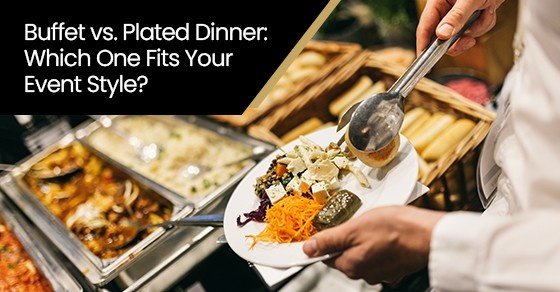
Buffet-style catering is a self-serve setup where guests select from a spread of dishes arranged on tables or at stations. It’s a popular choice for events where flexibility and variety are priorities. Guests can tailor their own plates, choose their portions, and go back for seconds if they wish. This style encourages mingling and a relaxed atmosphere.
Buffet-Style Catering: Pros and Considerations
Buffet service offers a dynamic and interactive dining experience, but it’s important to weigh the advantages and challenges. Here are a few things to consider:
- Offers more variety and customization in food catering choices
- Guests control portion sizes and can sample multiple dishes
- Encourages movement and interaction throughout the event
- Can lead to longer lines and less predictability in timing
- Requires more space for setup and flow
With the right planning and flow, buffets can provide a satisfying, guest-friendly dining option that suits a wide range of events and group sizes.
What Is Plated Meal Service?
Plated service delivers a restaurant-style experience, with each guest served a specific meal at their seat. Courses are served in a timed sequence, often with staff managing the entire dining experience. It’s perfect for formal events where timing, elegance, and structured programming matter.
Plated Meal Service: Pros and Considerations
Plated meals are known for their polished presentation and smooth service. Here’s what makes them a preferred catering choice for many formal events:
- Provides a formal and polished dining experience
- Enables better control over timing and flow
- Streamlines service and space usage
- Requires more staff and coordination
- Can be more costly due to prep and labour
When you want a controlled, elegant dining experience with seamless flow, plated meal service delivers consistency and refinement that guests will remember.
Comparing Buffet vs. Plated Meal Service Side-by-Side
To help you decide between buffet and plated service, here’s a side-by-side look at how they compare on key event elements:
Here’s how a buffet and plated dinner break down:
- Buffets offer flexibility and guest choice; plated meals offer structure and elegance
- Buffets may cause wait times; plated service ensures smooth, timely delivery
- Buffets suit informal events; plated service fits upscale or traditional settings
- Plated meals can streamline seating and program schedules
Understanding these differences will help you choose the catering style that aligns best with your event goals, guest expectations, and overall vision.
Key Factors to Consider When Choosing a Catering Style
Before selecting a catering style, it’s important to evaluate the specific needs and structure of your event. Here are a few essential elements to help guide your decision:
Guest Count and Venue Layout
Large groups may benefit from buffet-style service, especially in open or spacious venues. Buffets work well when you want to maintain a lively flow and avoid crowding seated areas. They also allow for staggered eating times, which can reduce wait times. Plated service is easier to coordinate in formal settings with assigned seating. It ensures everyone is served at once, which helps maintain a consistent schedule and minimizes disruptions during speeches or presentations.
Event Schedule and Timing
Buffets allow for flexible timing and easy meal breaks. They’re great for events with casual or variable schedules, letting guests eat when it suits them. This flexibility can help avoid bottlenecks during networking or activities. If your event has speeches, toasts, or entertainment, plated service keeps things on track. It allows for precise coordination between courses and program elements, creating a seamless flow that keeps guests focused and minimizes interruptions.
Formality and Guest Experience
Plated meals are best for elegant, structured events. They convey a sense of importance and occasion, making them ideal for weddings, galas, or milestone celebrations. Guests are served with precision, which adds to the refined experience. Buffets offer a laid-back, interactive vibe. They encourage movement, conversation, and spontaneity. Think about the mood you want to set and how guests will engage with the event space and one another throughout the meal.
Accessibility and Dietary Needs
Buffets give guests freedom to choose based on their preferences and restrictions. They make it easier to accommodate various diets, including vegetarian, vegan, gluten-free, or allergen-sensitive options, especially when dishes are clearly labelled. With plated meals, dietary needs must be communicated and prepared in advance. This requires detailed coordination with your caterer to ensure every guest’s needs are met. It’s essential to ask for dietary preferences during RSVP so that personalized meals can be planned without surprises.
Let Bradshaw Catering Help You Choose the Perfect Catering Experience
Choosing between buffet vs. plated meal service doesn’t have to be overwhelming. Bradshaw Catering has years of experience helping clients select the right style for weddings, corporate events, and private celebrations. Our team works closely with you to understand your event style, guest needs, and vision for the day. From intimate dinner parties to grand receptions, we bring expert coordination, flawless execution, and personalized attention to every event. With Bradshaw Catering, you’re not just getting a meal. You’re getting a seamless, memorable experience from start to finish.
If you have any questions about buffet vs plated catering options, don’t hesitate to reach out to Bradshaw Catering today at (289) 278-9475 or contact us here.
FAQ: Buffet vs. Plated Catering
Which is cheaper: buffet or plated dinner?
Buffets are usually more cost-effective, but pricing depends on guest count, menu, and staffing.
Is buffet service suitable for weddings?
Yes, especially for casual or semi-formal weddings. Formal receptions often lean toward plated meals.
Can I mix buffet and plated service at one event?
Some events use a hybrid approach, such as plated entrees with buffet-style sides or desserts.
How do dietary restrictions work with buffet catering?
Clearly labelled dishes and staff guidance can help accommodate guests with dietary needs.
Which style is faster: buffet or plated?
Plated service is more structured and efficient once seated. Buffets can cause delays depending on line length and layout.
Do guests prefer buffet or plated meals?
Preferences vary. Buffets give guests control. Plated meals feel more upscale and convenient.
Is plated service better for small events?
Yes. For intimate gatherings, plated service adds a touch of formality and allows for personalized attention.